
Reading Time: mins
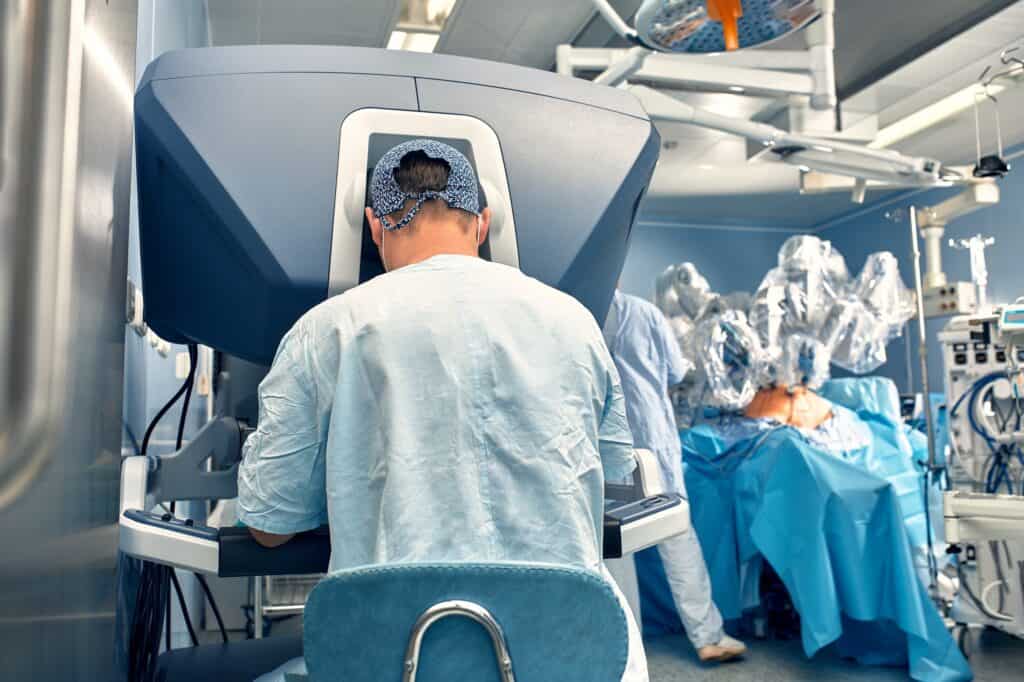
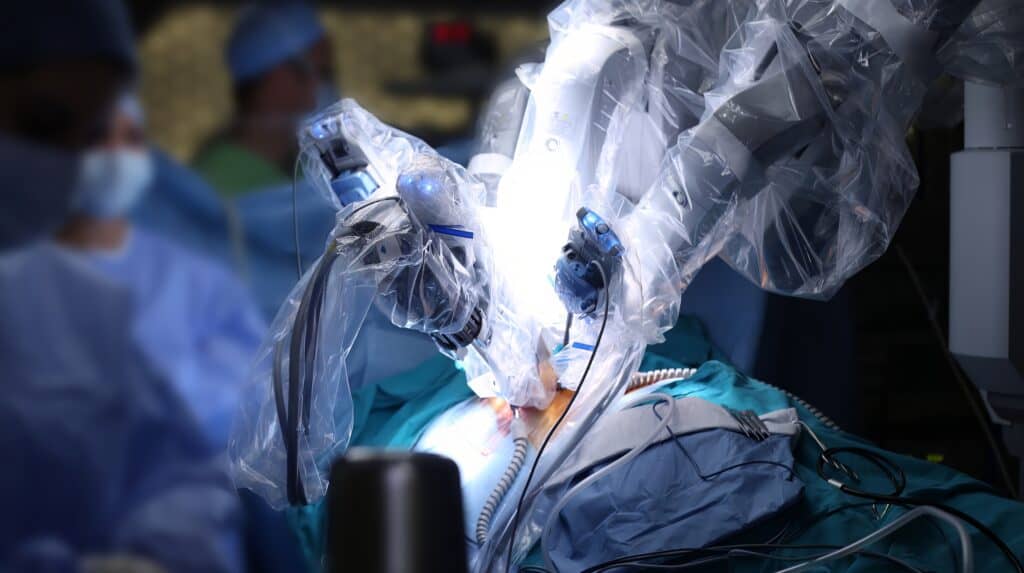
Robotic reflux surgery is a minimally invasive approach used to treat chronic gastro-oesophageal reflux disease (GORD), particularly when symptoms are not well controlled with medication. Using advanced robotic technology, surgeons can perform procedures such as fundoplication and hiatus hernia repair with enhanced precision and visualisation, while maintaining the benefits of keyhole surgery.
Robotic reflux surgery refers to the use of robotic-assisted technology to perform procedures that treat gastro-oesophageal reflux disease (GORD).
The most common operation is a fundoplication, where the top part of the stomach is wrapped around the lower oesophagus to strengthen the valve that prevents acid reflux. This is often performed alongside hiatus hernia repair, as many patients with reflux also have a hernia at the diaphragm.
Robotic surgery is part of a broader approach to robotic upper GI surgery, where technology is used to enhance precision in complex anatomical areas.

Reflux surgery aims to restore the function of the lower oesophageal sphincter and reduce the backflow of stomach acid into the oesophagus.
This is typically achieved by:
The procedure is performed through small incisions, using either laparoscopic or robotic techniques.s the bile duct.
Laparoscopic surgery remains the standard approach for reflux surgery and provides excellent outcomes for many patients. Robotic surgery offers additional technical advantages, particularly in more complex cases.
These features can be particularly helpful when working around the oesophagus and diaphragm, where space is limited and precision is important.
Robotic reflux surgery is not required for every patient. However, it may be considered in:
The decision to use a robotic approach is based on individual factors and is discussed during consultation.
For selected patients, robotic surgery may offer:
It is important to note that outcomes are also excellent with laparoscopic surgery, and the most appropriate technique depends on the individual case.echnique that provides the safest and most reliable outcome.
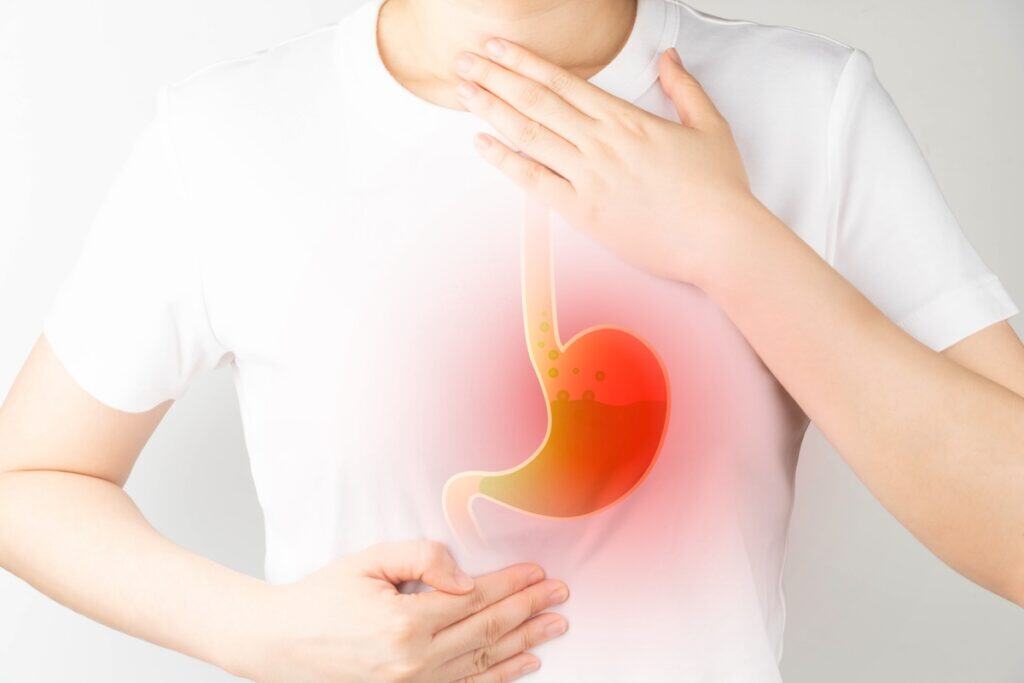
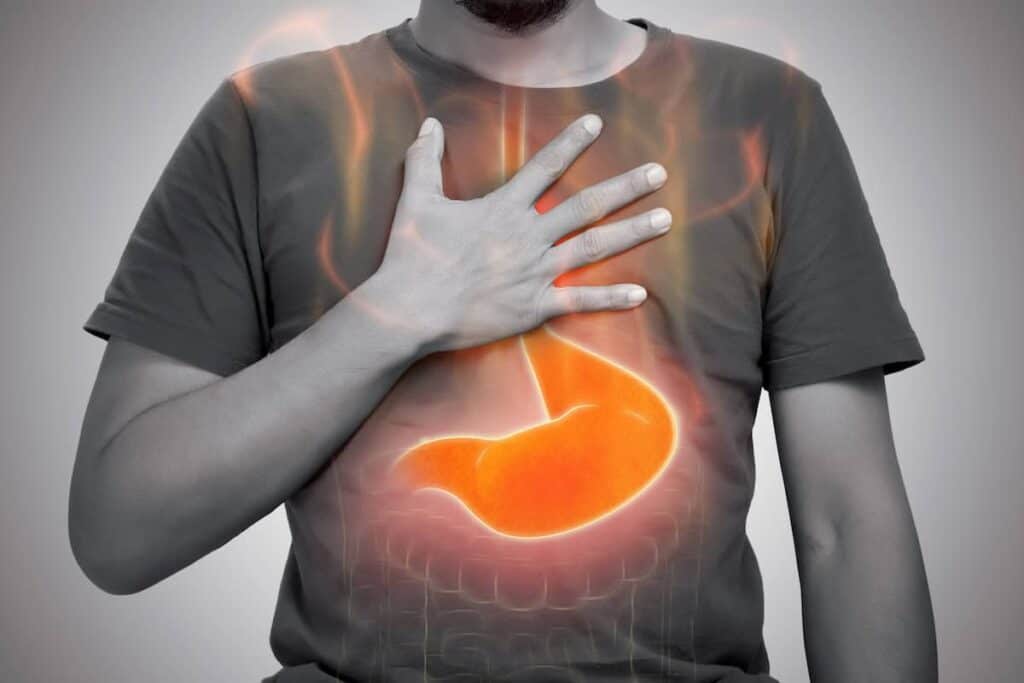
As with any surgical procedure, reflux surgery carries risks, including bleeding, infection and difficulty swallowing (dysphagia).
Robotic surgery does not remove these risks and is not necessary in all cases. Laparoscopic surgery remains a highly effective option for many patients. The focus is always on selecting the safest and most appropriate approach for each individual.
All surgical procedures carry risks, including bleeding, infection and injury to surrounding structures such as the bile duct.
Robotic surgery does not eliminate these risks. In straightforward situations, laparoscopic cholecystectomy remains a safe and effective approach. Robotic surgery is best viewed as an additional tool that can be used where it offers a clear advantage.
Robotic reflux surgery is performed under a general anaesthetic.
Most patients:
Recovery can vary depending on the complexity of the procedure and whether a hiatus hernia repair is performed at the same time.surgery, as both are minimally invasive techniques.
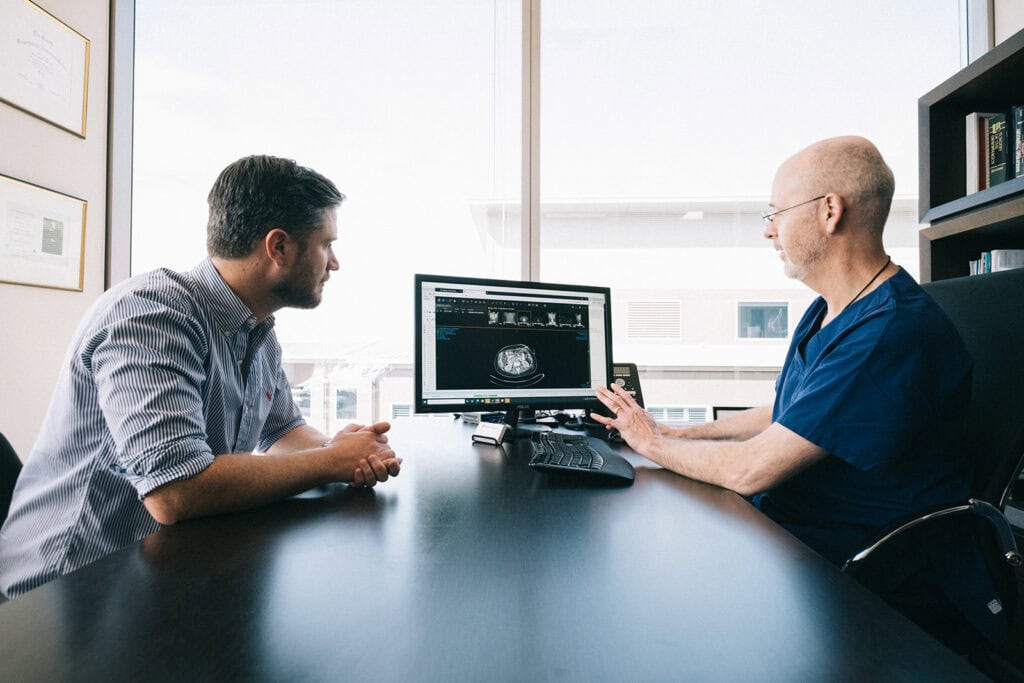

If you experience ongoing reflux symptoms such as heartburn, regurgitation, chest discomfort or difficulty swallowing — particularly if these are not well controlled with medication — it may be appropriate to seek specialist advice.
Understanding your treatment options, including whether robotic reflux surgery is suitable, can help you make an informed decision about your care. Contact our team if you would like more information or to book an appointment with one of our specialists.
Contact us to discuss symptoms, timing and the best treatment plan for you.
P: 02 9553 1120
F: 02 9553 7526
E: info@uppergisurgery.com.au
Copyright © 2026. Upper GI Surgery. All rights reserved.


