
Reading Time: mins
RAS stands for Robot-Assisted Surgery, a modern surgical approach where advanced technology is used to support the surgeon during minimally invasive procedures. In Upper GI surgery, RAS allows for enhanced precision, improved visualisation and greater control, particularly in complex or delicate operations.
Robot-assisted surgery is performed through small incisions, similar to laparoscopic (keyhole) surgery.
During the procedure:
This setup can enhance precision, particularly in areas where space is limited or anatomy is complex.
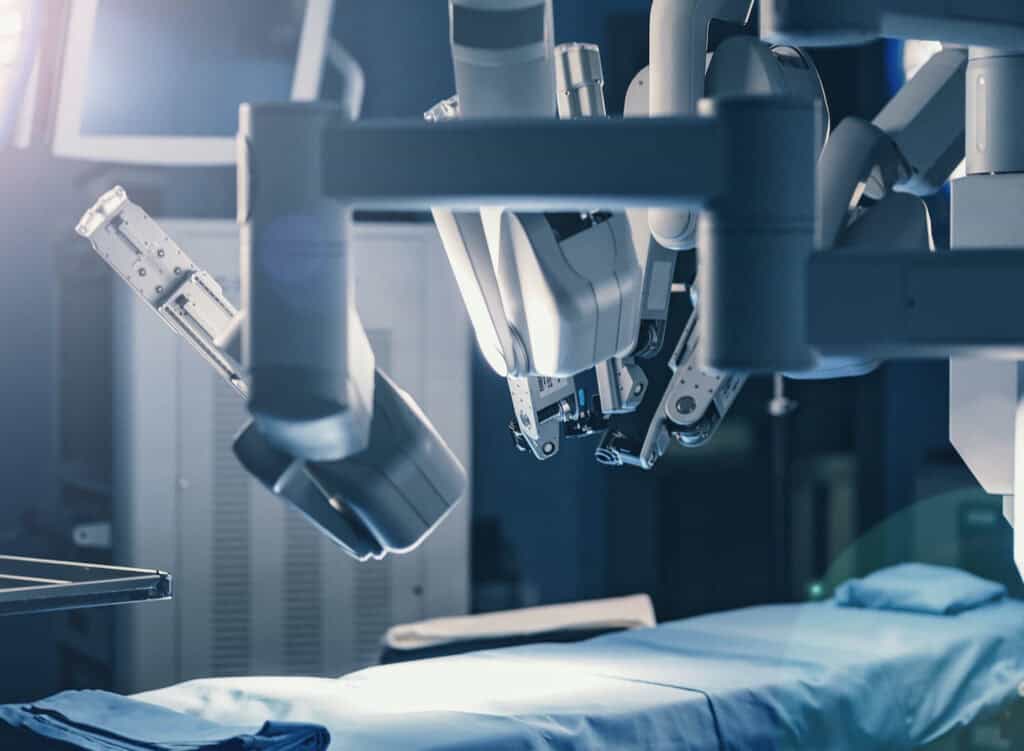
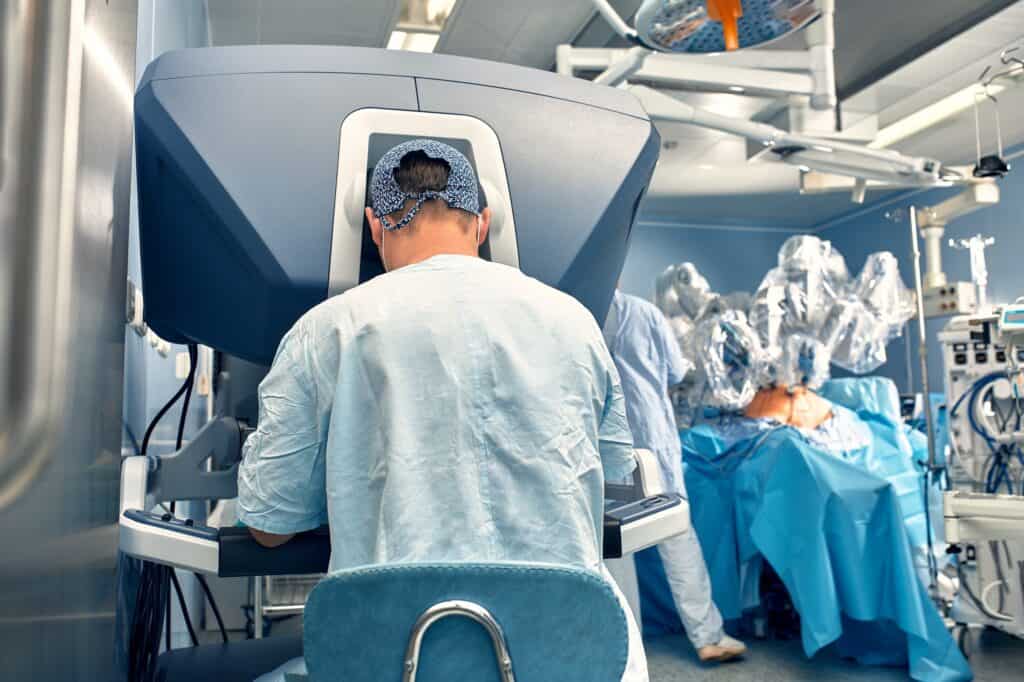
Laparoscopic surgery remains the standard approach for many Upper GI procedures and continues to provide excellent outcomes. Robot-assisted surgery (RAS) builds on this by offering additional technical capabilities.
In laparoscopic surgery, long, straight instruments are used with a typically 2D view, and it is highly effective for many routine procedures. RAS, by comparison, provides a magnified 3D view, greater instrument flexibility and more refined control of movements.
It is not required for all patients, but it may offer advantages in selected cases where additional precision is beneficial.
The Intuitive da Vinci robotic surgical system is the most frequently used platform in the world, having been in use for > 20 years for many applications, and for Upper GI surgery in Australia since 2014. The da Vinci also has other platforms, including a Single Port system that can provide “scarless surgery”. Medtronic has the Hugo RAS system, which has been available for 3 years in Australia, and many more will soon be available.
Robot-assisted surgery can be used across a range of Upper GI procedures, including:
Its role is to support the surgeon in achieving a safe and precise outcome, particularly in more complex cases..

The use of robot-assisted surgery depends on a number of factors, including:
In many straightforward cases, laparoscopic surgery remains the most appropriate option. RAS is best viewed as an additional tool that can be used where it offers a clear advantage.
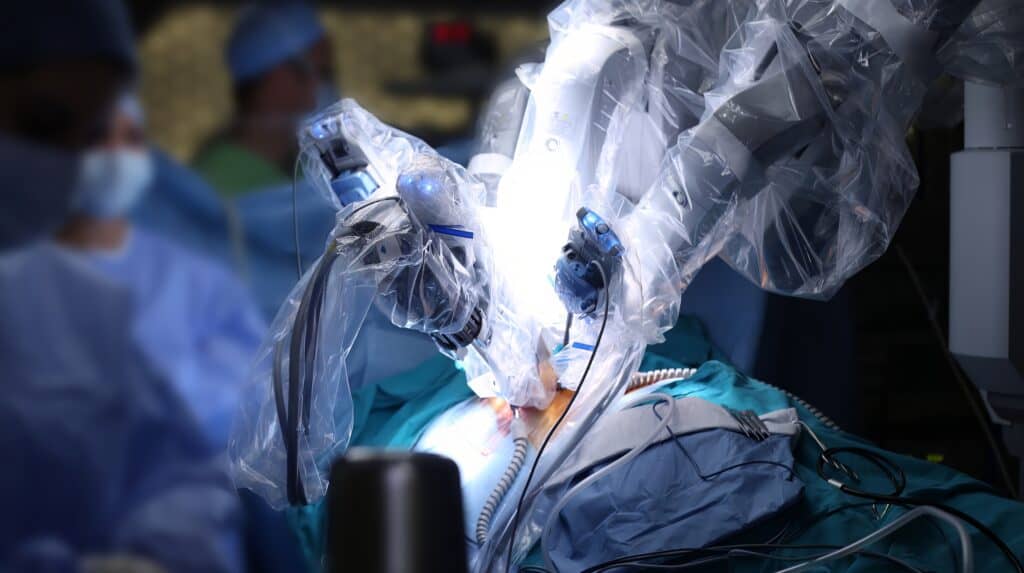
Robot-assisted surgery is an important development in modern surgical practice. However, it is not a one-size-fits-all solution.
The focus is always on selecting the most appropriate approach for each patient — whether that is laparoscopic, robotic or, in some cases, open surgery.
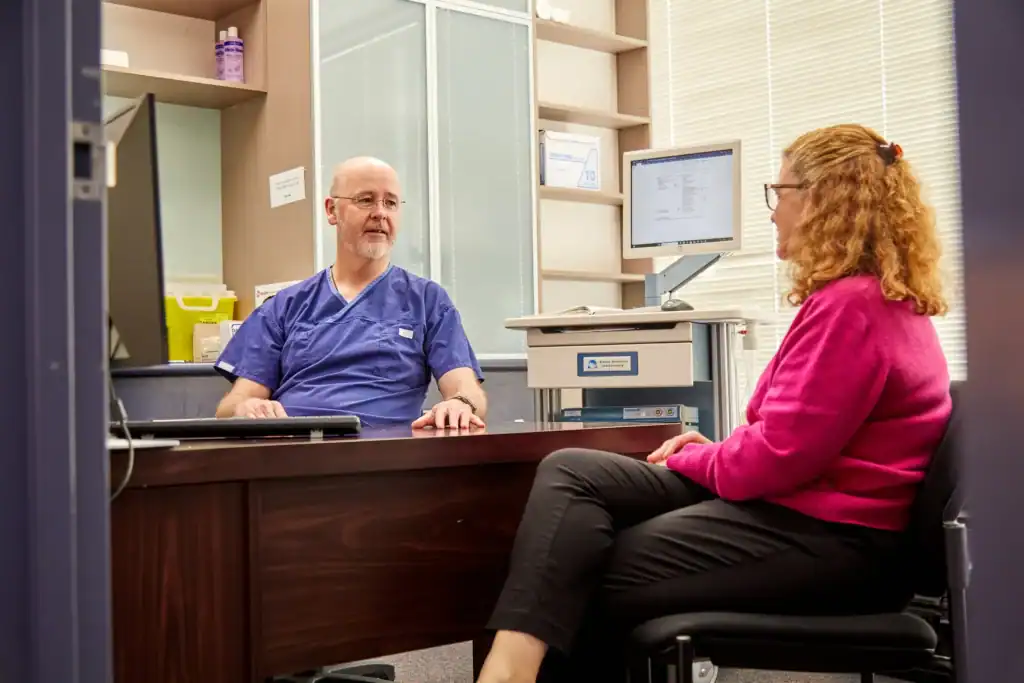
Understanding your options — including whether a robotic approach is appropriate — can help you make an informed decision about your care. Contact our team if you would like more information or to book an appointment with one of our specialists.

Contact us to discuss symptoms, timing and the best treatment plan for you.

P: 02 9553 1120
F: 02 9553 7526
E: info@uppergisurgery.com.au

Copyright © 2026. Upper GI Surgery. All rights reserved.


