
Reading Time: mins
Robot-Assisted Cholecystectomy Surgery is a modern surgical approach where advanced technology is used to support the surgeon during minimally invasive procedures. In Upper GI surgery, Robot Assisted Surgery (RAS) allows for enhanced precision, improved visualisation and greater control, particularly in complex or delicate operations.
Cholecystectomy is the surgical removal of the gallbladder, most commonly performed to treat gallstones or gallbladder inflammation.
Robotic cholecystectomy is a form of robotic upper GI surgery, where the procedure is carried out using a robotic surgical system to assist the surgeon.
As with all robotic procedures, the surgeon remains in full control at all times. The technology is used to enhance precision, not replace the surgeon’s judgement or expertise.

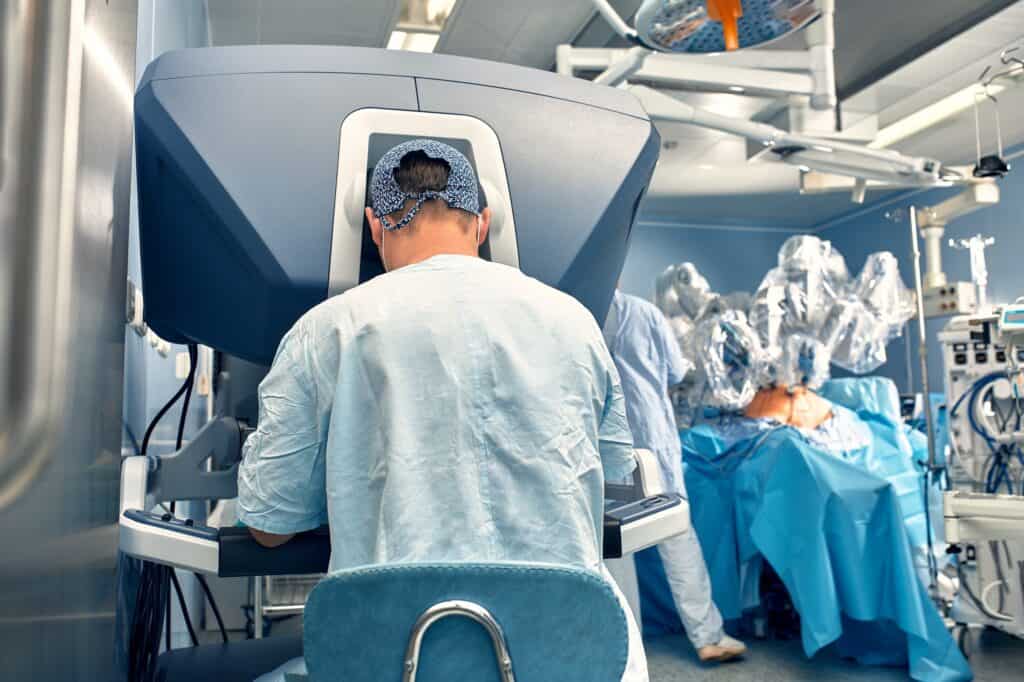
The procedure is performed through small incisions, similar to laparoscopic surgery. A camera and specialised instruments are inserted into the abdomen. The surgeon then operates from a console, controlling the instruments with a highly refined range of motion.
Key features of robotic surgery include:
This can be particularly useful when operating near important structures such as the bile duct.
Laparoscopic cholecystectomy is the established standard for gallbladder removal and is highly effective in the majority of cases.
Robotic surgery builds on this approach, but it is not required for every patient.
The choice between approaches depends on individual factors, including the severity of inflammation and any prior abdominal surgery.
For many patients with straightforward gallbladder disease, laparoscopic surgery remains the most appropriate option.
A robotic approach may be considered in:
The aim is always to use the technique that provides the safest and most reliable outcome.

In some cases, robotic cholecystectomy may offer:
It’s important to note that for many patients, outcomes are already excellent with standard laparoscopic surgery.
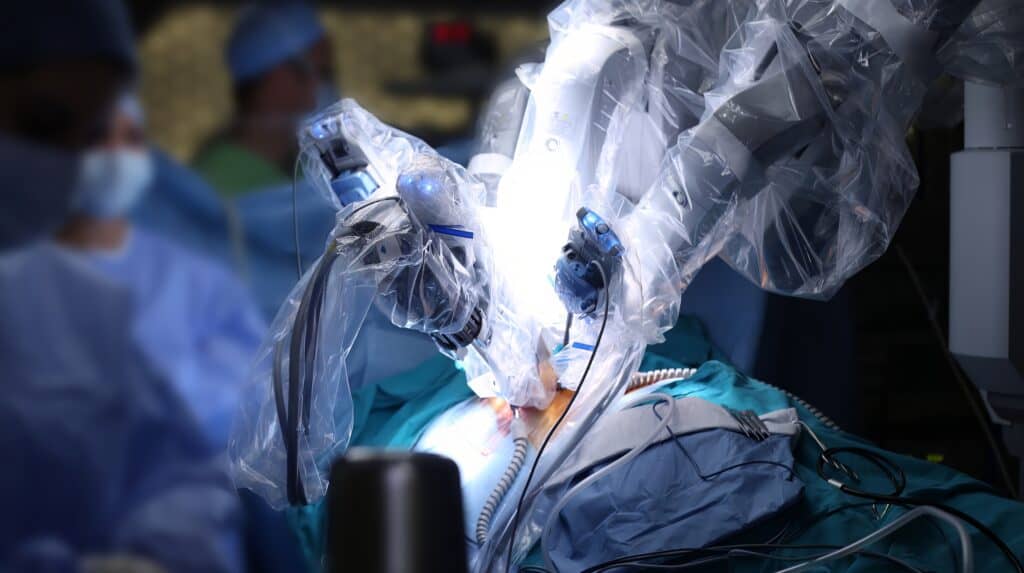
All surgical procedures carry risks, including bleeding, infection and injury to surrounding structures such as the bile duct.
Robotic surgery does not eliminate these risks. In straightforward situations, laparoscopic cholecystectomy remains a safe and effective approach. Robotic surgery is best viewed as an additional tool that can be used where it offers a clear advantage.
Robotic gallbladder surgery is performed under a general anaesthetic.
Most patients:
Recovery is generally similar to laparoscopic surgery, as both are minimally invasive techniques.
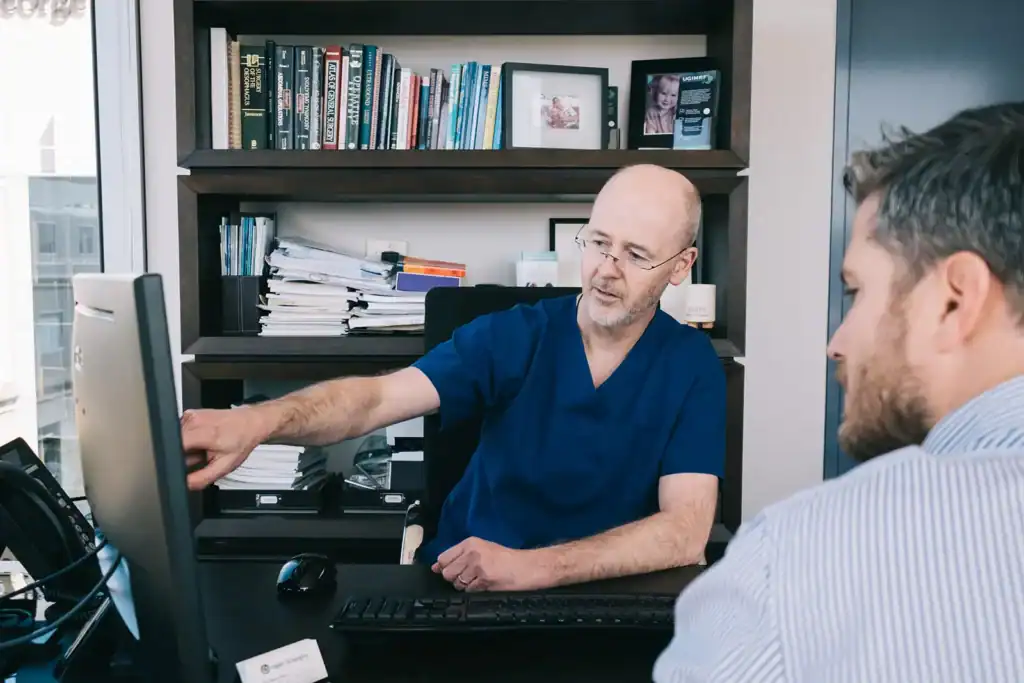
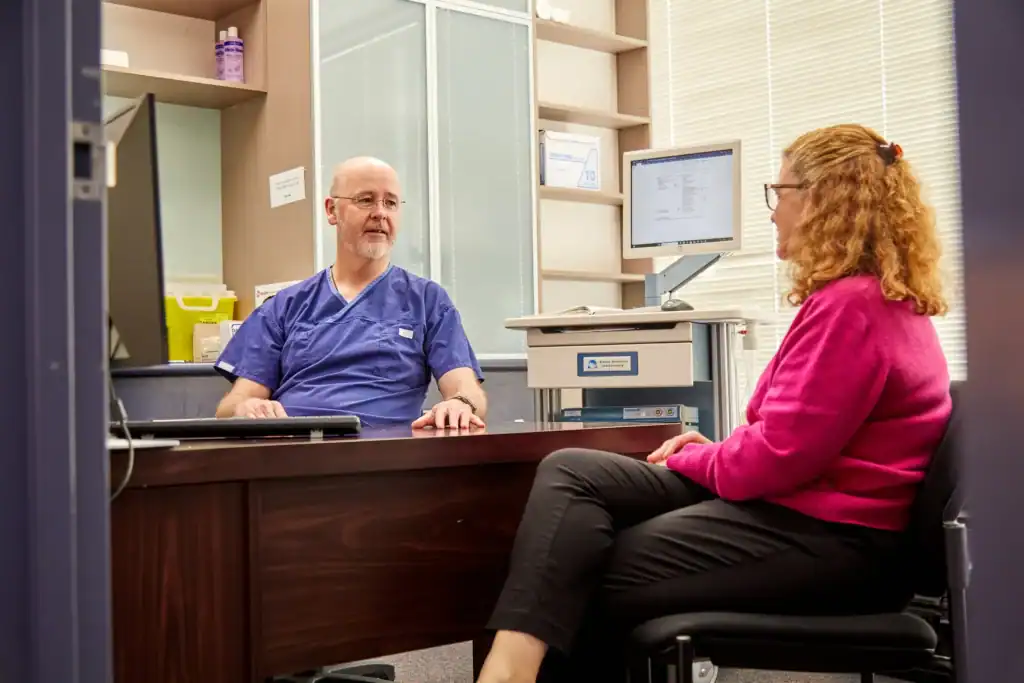
If you are experiencing symptoms such as abdominal pain, nausea, bloating or have been diagnosed with gallstones, it’s important to seek specialist advice.
Understanding your treatment options — including whether a robotic approach is appropriate — can help you feel more confident in your care. Contact our team if you would like more information or to book an appointment with one of our specialists.
Contact us to discuss symptoms, timing and the best treatment plan for you.
P: 02 9553 1120
F: 02 9553 7526
E: info@uppergisurgery.com.au
Copyright © 2026. Upper GI Surgery. All rights reserved.


