
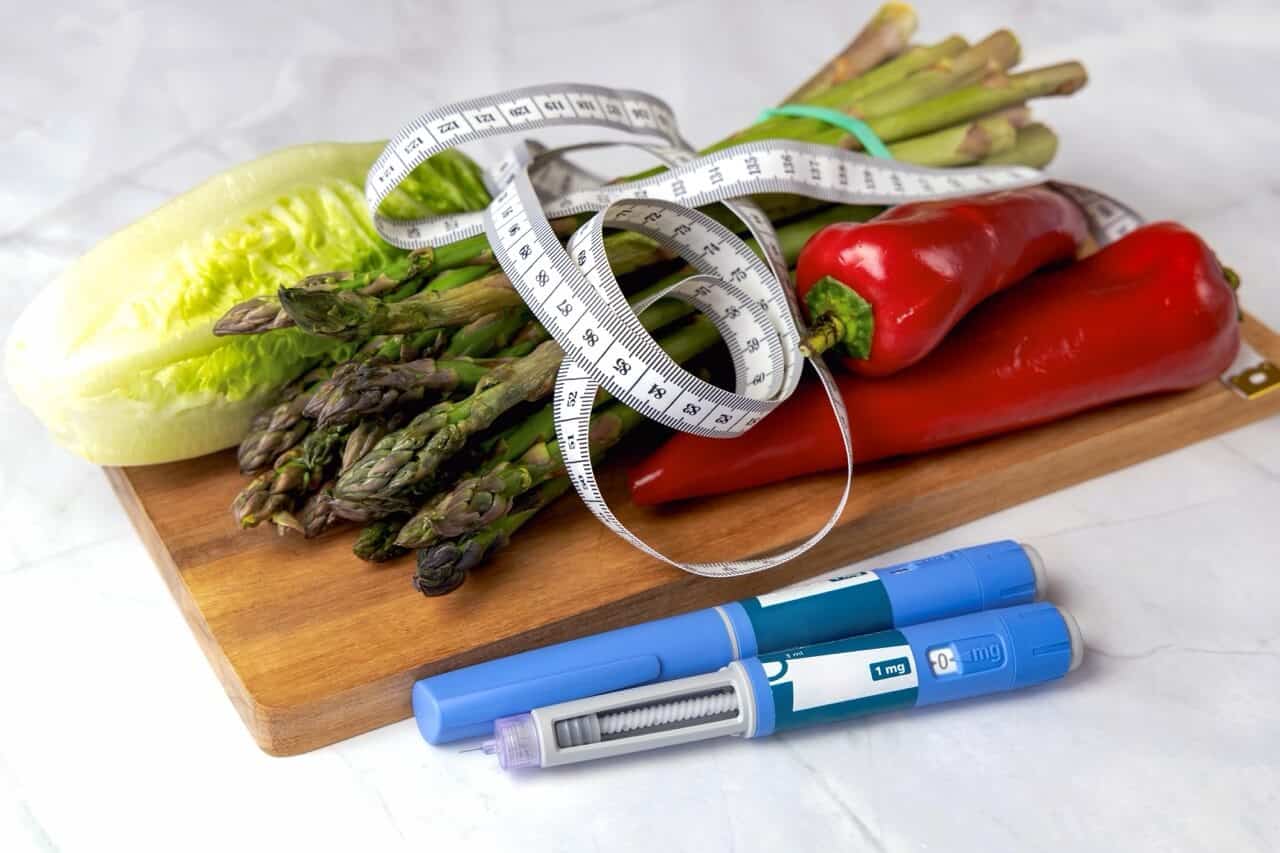

For some people, particularly those earlier in their weight journey or not ready to consider surgery, medication can be a reasonable starting point.

All medications have side effects and risks but most people tolerate weight loss medications well. Side effects become more of an issue if the dose of weight loss medication is increased too quickly. Common side effects such as nausea and constipation will mostly settle in the first month or two of treatment when managed under the care of our doctors.
If you experience nausea, we advise that you eat smaller meals, avoid fatty foods and take your time to eat more slowly. There are medications our doctors can also prescribe to help with nausea. If you experience constipation, increase your fluid intake, eat more vegetables, consider using a fibre supplement such as Metamucil and if you still have constipation you can use a laxative such as lactulose or movicol.
You shouldn’t increase your dose of weight loss medications until your side effects are under control. More serious and troublesome side effects and complications occur in about 1 in 200 patients which is a similar rate to a wide range of commonly prescribed medications for other health conditions. You can visit the website of your prescribed weight loss medication, to learn about the risks in more detail.
Weight loss medications are effective in helping patients to lose weight and keep the weight off in the long-term, when used alongside lifestyle changes including healthy eating patterns and regular exercise. If these medications are stopped and patients go back to their previous unhealthy eating habits and stop exercising, their weight will increase again.
Some patients are able to stop weight loss medication and keep weight off if they continue to work on lifestyle management strategies. Other people do better with continuing on medication, often at a lower dose or with intermittent dosing, alongside lifestyle management in the longer term. It is important to monitor your weight regularly as you may need to restart your medication if your weight increases more than 3kg after stopping.
Weight loss medications can be used long-term, with many studies showing that they are safe and effective for use over extended periods, including 2 years or more. However, the challenge with long-term use is the cost, as they can become relatively expensive.
It’s worth testing de-escalation strategies, such as reducing the dose or using intermittent dosing to lower the cost. Increasing exercise can also help boost your metabolic rate and complement the medication. Medically, it’s safe to use these medications long-term, but it’s helpful to explore ways to manage the financial burden while still achieving effective results.
Obesity is a chronic disease that affects every system in the body. Losing 10-20% of your starting weight will result in improvements in a wide range of other conditions including joint pain, high blood pressure, high cholesterol, heart disease, kidney disease, diabetes, sleep apnoea and mental health conditions. Losing weight can also prevent you from developing some of these diseases especially if you receive treatment before these diseases are established.
If you use weight loss medications and don’t eat a proper diet (including eating adequate amounts of protein and a wide range of fruit and vegetables), don’t drink adequate fluids or exercise (including resistance exercises), you will be at risk of muscle and bone loss or vitamin and mineral deficiencies.
This is often the case. If you don’t have much of an appetite and are still struggling to lose weight, it could indicate other factors at play, such as unacknowledged snacking or a metabolic rate issue. However even in these situations, it’s still worth trying the medications because they do more than just suppress appetite.
They can help reduce your overall interest in food, which allows you to unconsciously eat less. Additionally, they alter the way your body uses glucose, which can further support weight loss.
The timing of introducing weight loss medications post-surgery depends on several factors including the type of surgery, the amount of weight lost, and individual progress. A key concept in weight loss surgery and in weight loss treatment in general, is that you can predict how much weight someone will lose based on their initial progress in the first 3 to 4 months.
For example, with sleeve gastrectomy, the goal is usually for patients to lose about 30% of their total body weight. A target of 15% weight loss should occur in the first 3 to 4 months. If the patient has not reached 15% by that point, it may suggest they may not achieve their full weight loss goal, and WLM could be considered at that time.
For most patients, the first 12 to 18 months post-surgery is the key window for weight loss. If progress slows down significantly or a plateau persists, introducing medications may be appropriate to support further weight loss.
In cases of revision surgery such as switching from sleeve to bypass, weight loss may take longer to achieve so it might be reasonable to consider starting WLM earlier, once the patient is on normal food.
It depends on your GP. Dr Jenny Matthei is a General Practitioner (GP) with a specialist interest who has retrained as a weight loss physician and focuses solely on weight loss management. She is happy to supervise patients through the process.
However, many GP’s are generalists and may feel less confident managing patients who are using weight loss medications. It’s often a good idea to start by consulting your GP, but if they are not comfortable with or interested in this approach, you can always make an appointment with Jenny.
A common pitfall when using WLM with your GP is that without the proper diet and lifestyle plan, you may not reach your weight loss goals for several reasons. First, if you use WLM without a high-quality diet, you may lose protein and muscle mass along with fat. This can contribute to increased fatigue, which can be even worse if you’re not eating the right vitamins and nutrients. Losing muscle mass also lowers your metabolic rate.
For the best results, it’s crucial to combine WLM with the right diet and exercise plan to maximise your success. GP’s often don’t have the resources to provide all of these components, but at UGIS we offer everything in one place, with Jenny providing the necessary prescriptions as well as guidance on diet and exercise.

Used alone provides 600–800 calories per day, or in combination with a typical meal provides 1200 calories per day. Used frequently by specialist weight loss clinics, but requires supervision.
For long-term results, it is best given as part of a diet plan that will have the patient moving onto a supervised reduced-energy diet with exercise. It is one of the easiest and most reliable methods of rapid weight loss available if patients can be compliant, and is associated with the best long-term results.
At Upper GI Surgery, our Bariatric Care Specialist Dr Jennifer Matthei and Dietitian Tania Chaanine can discuss with you the option of a VLED to assist with excess weight or weight management.







P: 02 9553 1120
F: 02 9553 7526
E: info@uppergisurgery.com.au

Copyright © 2026. Upper GI Surgery. All rights reserved.


