
Reading Time: mins
After bariatric surgery, every sip and bite counts. Your new stomach capacity is smaller, so the foods and drinks you choose need to be packed with nutrition, not empty calories. Milk can be a great source of protein and calcium, but not all milk is created equal. Understanding the differences can help you make choices that support your recovery and long-term health.
In the early months after bariatric surgery, protein is essential for healing, maintaining muscle mass, and keeping you feeling satisfied. Milk can be an easy, gentle source of protein and calcium, especially when your portions are small. But many types of milk, especially plant-based ones, vary widely in their protein, sugar and calorie content.
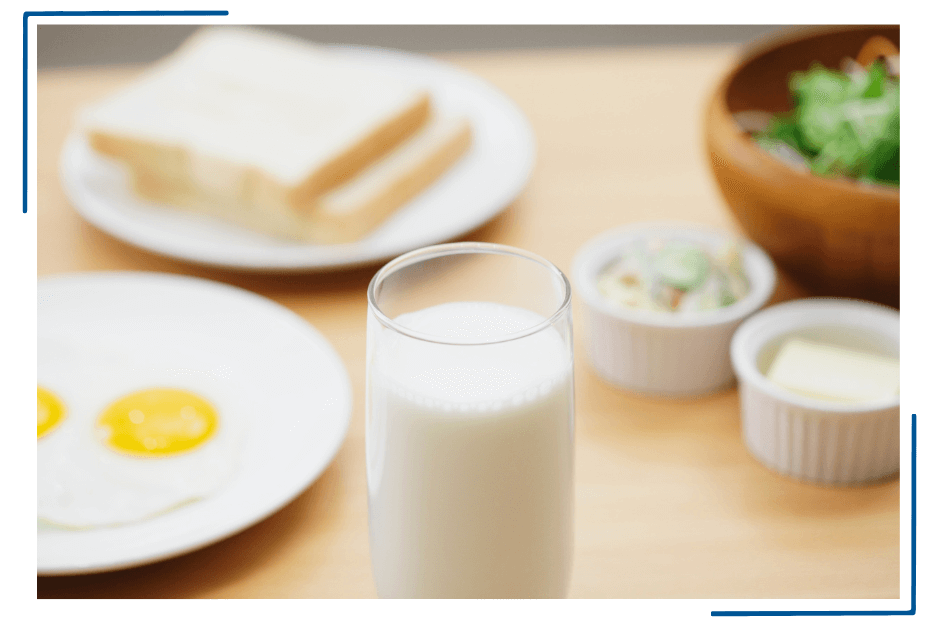
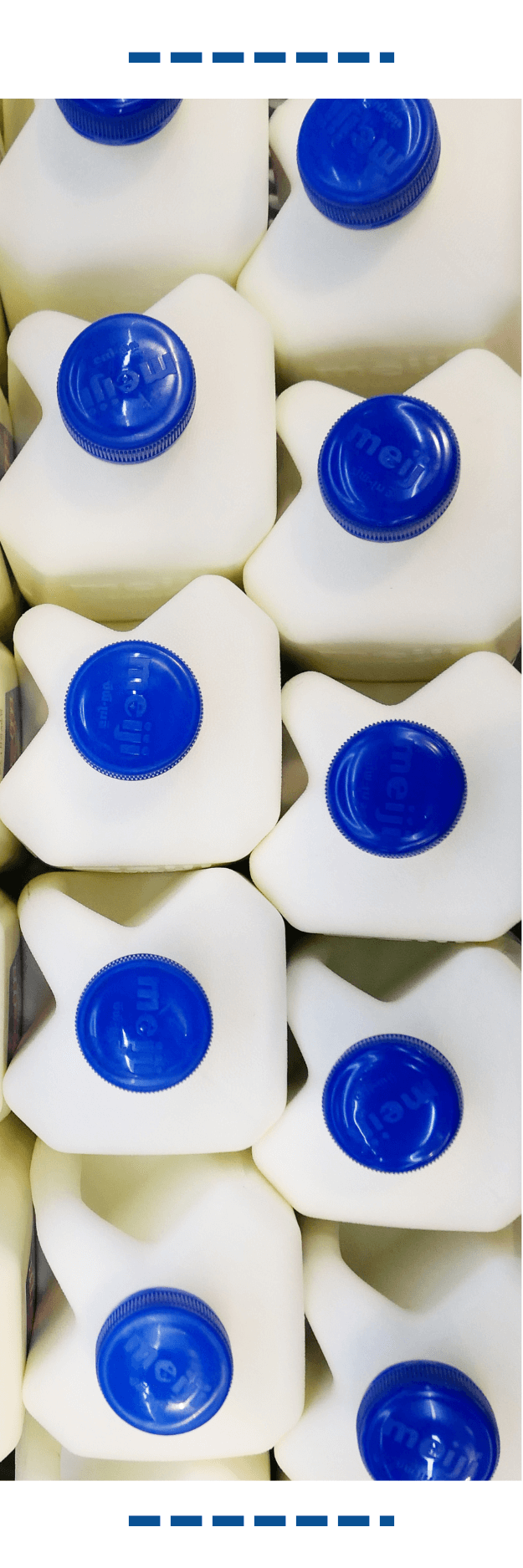
Regular cow’s milk naturally contains protein, calcium and some natural milk sugars (lactose). Choose reduced-fat or skim milk to lower overall calories while still getting around 8 grams of protein per cup. It’s often fortified with vitamin D, which supports calcium absorption. For most bariatric patients, this remains the gold standard unless lactose intolerance or dietary preference suggests otherwise.
If you experience bloating or discomfort from lactose, lactose-free milk can be a good alternative. It has the same nutrients and protein as regular milk, just with the lactose broken down for easier digestion.
Of the plant-based milks, unsweetened soy milk is the closest nutritionally to cow’s milk, offering around 7–8 grams of protein per cup. Make sure you choose one that’s unsweetened and calcium-fortified, as some flavoured or sweetened versions can contain up to 10 grams of added sugar per cup.
These tend to be much lower in protein (often less than 1 gram per cup) and can contain added sugars to improve taste. Oat milk, for instance, is naturally higher in carbohydrates and often sweetened, making it a poor choice if you’re managing your sugar intake. Coconut milk is higher in fat and calories, with little protein benefit. If you prefer these milks, look for unsweetened and fortified versions and use them occasionally rather than as your main source of protein.
Several brands now offer high-protein or “ultra-filtered” milk options. These can contain up to twice the protein of regular milk with less sugar, making them a smart choice for bariatric patients who struggle to meet daily protein goals.
When comparing milk options, check the nutrition label carefully:

After bariatric surgery, your nutrition choices matter more than ever. Milk can be a valuable part of your diet, but it’s important to choose wisely. Go for options that are high in protein, low in added sugars, and enriched with calcium. Read labels carefully, and when in doubt, check with your dietitian about which milk best supports your stage of recovery.
Contact us to discuss symptoms, timing and the best treatment plan for you.

P: 02 9553 1120
F: 02 9553 7526
E: info@uppergisurgery.com.au

Copyright © 2026. Upper GI Surgery. All rights reserved.


