
Reading Time: mins
Difficulty swallowing is not something to ignore. For many people, dysphagia starts subtly — avoiding certain foods, needing to chew more carefully, or feeling like food occasionally “sticks.” Over time, it can become more frequent, more uncomfortable, and harder to manage.
At Upper GI Surgery, we provide specialist assessment and treatment for swallowing disorders, with a strong focus on accurate diagnosis and targeted treatment for patients across Sydney and NSW.
Dysphagia is often more complex than it first appears. While some cases are related to reflux or inflammation, others are caused by disorders affecting how the oesophagus functions. In many patients, these conditions are not visible on standard tests and can be misdiagnosed or overlooked.
Difficulty swallowing can be associated with a wide range of underlying issues, including problems with oesophageal movement, narrowing, or coordination, and symptoms may overlap with reflux, chest pain or regurgitation. If swallowing feels abnormal on a regular basis, it warrants proper investigation.

Effective treatment starts with understanding the exact cause. At Upper GI Surgery, we use specialised oesophageal testing to assess how the swallowing mechanism is working in real time.
Our practice includes a dedicated diagnostic service for complex oesophageal conditions, allowing us to go beyond standard imaging or endoscopy alone.
This may include:
These investigations allow us to distinguish between structural problems, reflux-related issues, and true motility disorders, which is critical in guiding treatment.
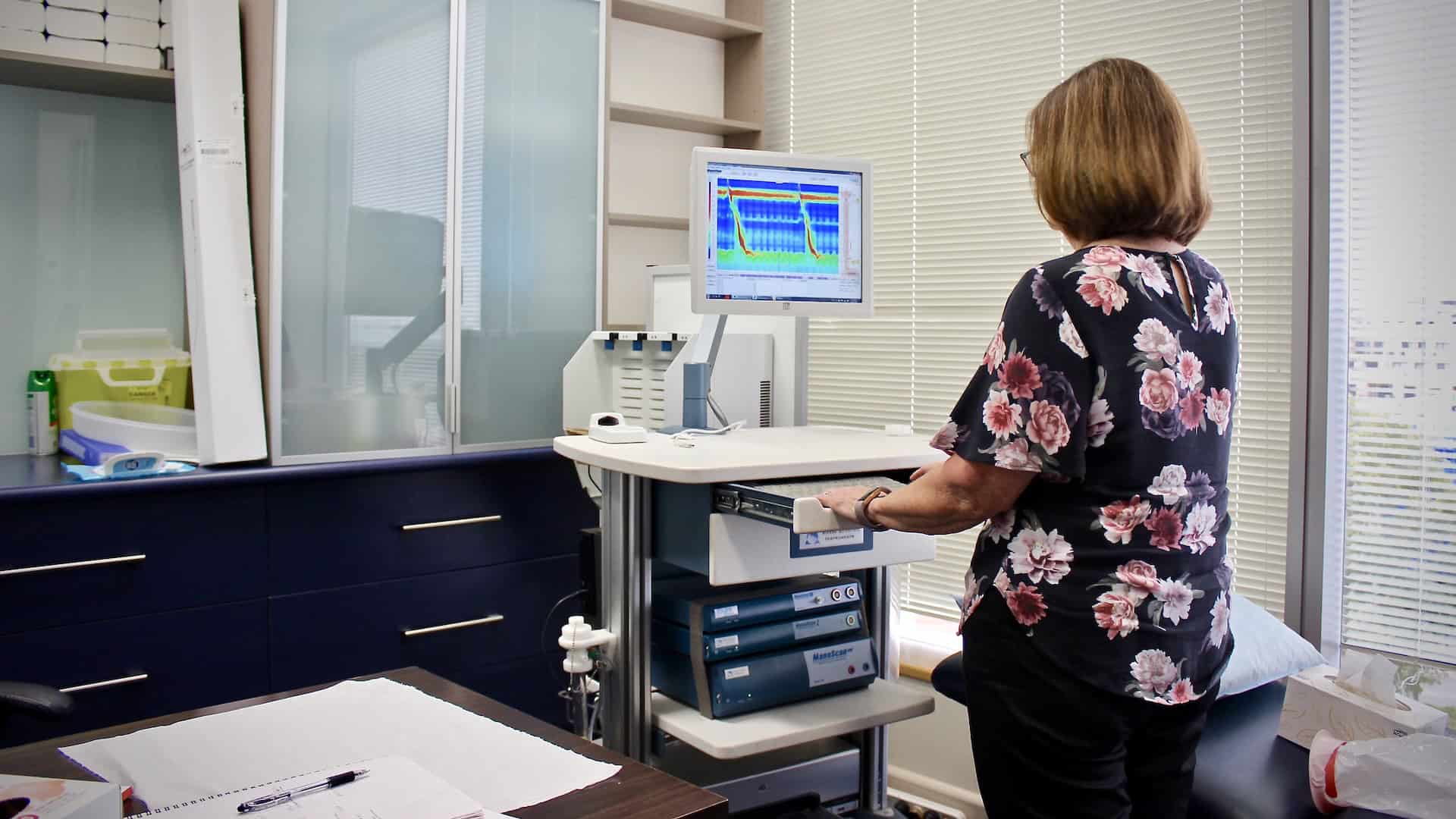
Swallowing disorders generally fall into a few key categories. Some patients have a physical narrowing or blockage that prevents food from passing normally. Others have disorders affecting the movement of the oesophagus, where the muscles fail to coordinate properly or the lower valve does not relax as it should.
Conditions such as achalasia are a good example, where food cannot pass easily into the stomach due to abnormal muscle function, leading to symptoms like food sticking, regurgitation and chest discomfort. In many cases, patients adapt over time without realising, changing what they eat or how they eat, which can delay diagnosis.
Treatment is always tailored to the underlying cause. Depending on the diagnosis, options may include endoscopic therapies, targeted procedures to relieve obstruction, or surgical approaches to restore function.
For motility disorders such as achalasia, highly effective treatments are available that focus on relieving the obstruction at the lower oesophagus and improving swallowing.
These treatments are typically minimally invasive and, when guided by accurate diagnosis, can significantly improve symptoms and quality of life.th mesh, to reduce the risk of recurrence.

Swallowing disorders are frequently misdiagnosed as reflux. It is common for patients to be treated with acid suppression therapy for extended periods without improvement, simply because the underlying problem has not been correctly identified.
Specialist assessment ensures that:
This is particularly important for patients whose symptoms are persistent, progressive, or impacting nutrition and quality of life.

Upper GI Surgery provides specialist dysphagia treatment for patients across Sydney and regional NSW. With access to advanced diagnostic testing and a full range of treatment options, we are able to manage both common and complex swallowing disorders within a single, coordinated service.
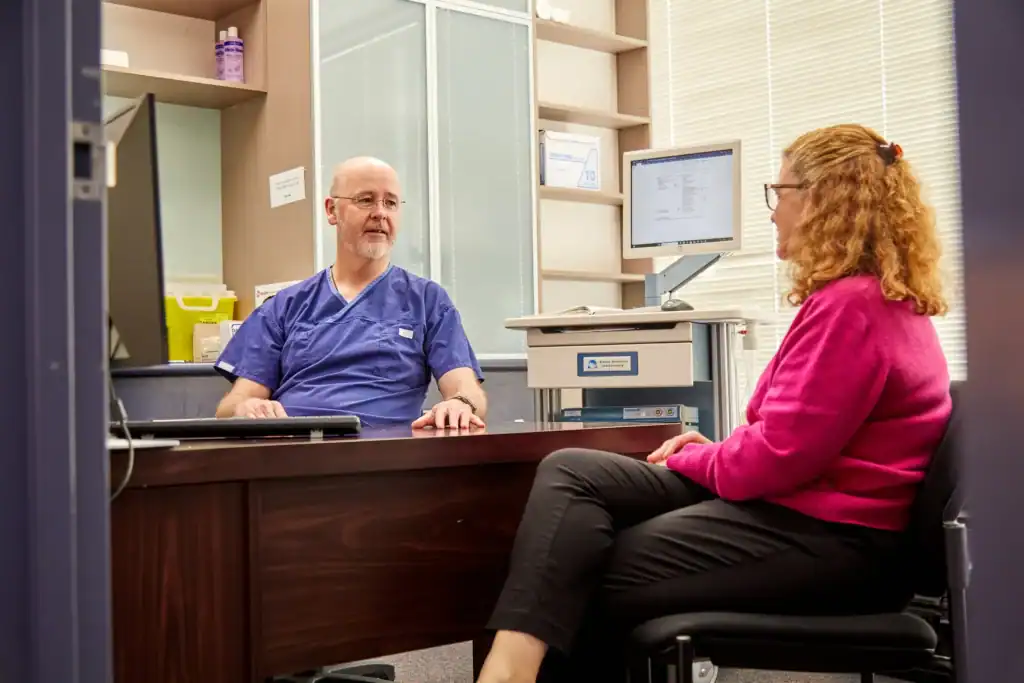
If you are experiencing difficulty swallowing, food sticking, or ongoing upper digestive symptoms, a specialist assessment can help determine the cause and the most appropriate treatment. Early diagnosis can make a significant difference — particularly for conditions that are often missed or misdiagnosed. Book a consultation with our team to discuss your symptoms and whether further investigation is needed.

Contact us to discuss symptoms, timing and the best treatment plan for you.

P: 02 9553 1120
F: 02 9553 7526
E: info@uppergisurgery.com.au

Copyright © 2026. Upper GI Surgery. All rights reserved.


